

Window Security
Add a reviewOverview
-
Sectors Neurology
-
Posted Jobs 0
-
Viewed 104

Company Description
5 Killer Quora Answers To Household Lock Repair
Household Lock Repair: A Comprehensive Guide
In an age where home security is vital, ensuring that your family locks function appropriately is vital. Locks, being mechanical devices, can use down or malfunction gradually, leading to possible security risks. Understanding how to repair household lock repair locks can save you cash and enhance your home’s security. This extensive guide will cover various aspects of lock repair, typical concerns, DIY methods, when to call an expert, and frequently asked questions.
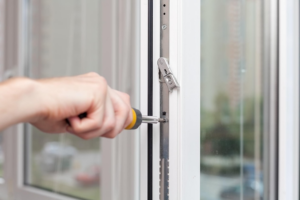
Kinds Of Household Locks
Before diving into repair strategies, it’s important to comprehend the different types of locks typically found in families. Here’s a table summing up numerous kinds of locks:
| Lock Type | Description | Common Uses |
|---|---|---|
| Deadbolt | A lock that requires an essential or thumb turn to open. | Front and back entrances |
| Knob Lock | A lock incorporated into the doorknob. | Interior and some outside doors |
| Lever Handle Lock | A lock with a lever deal with instead of a knob. | Industrial and property doors |
| Rim Lock | A surface-mounted lock generally discovered on older doors. | Historic homes, some modern-day applications |
| Smart Lock | A digital lock that uses codes or apps for gain access to. | Front doors, garages |
Common Lock Problems
Home locks can experience numerous problems that might need repair or replacement. Below are a few of the most typical issues associated with locks:
| Problem | Description | Possible Causes |
|---|---|---|
| Secret Won’t Turn | The key is difficult or difficult to turn. | Worn-out secret, dirty lock cylinder, misalignment |
| Lock Stuck | The lock does not open even with a secret. | Rust, dirt buildup, or internal damage |
| Secret Broken in Lock | A key is stuck or breaks off inside the lock. | Excessive force, used secret |
| Lock Cylinder Loose | The lock cylinder can be twisted or taken out. | Unsecured screws or mounting issues |
| Jammed Lock | The lock mechanism is jammed and can not be run. | Dirt, rust, or internal malfunction |
Do It Yourself Lock Repair Techniques
Numerous lock concerns can be solved with simple DIY techniques. Here’s a list of strategies to troubleshoot and repair common lock issues:
1. Cleaning the Lock
Tools Needed: WD-40 or silicone spray, cleaning fabric
- Actions:
- Spray a percentage of lubricant into the keyhole.
- Insert the secret and turn it gently numerous times to disperse the lubricant.
- Wipe away excess lubricant from the exterior of the lock.
2. Changing the Strike Plate
Tools Needed: Screwdriver
- Steps:
- If the window lock maintenance does not align with the strike plate, loosen up the screws on the plate.
- Change the plate to better line up with the lock bolt.
- Tighten up the screws and test the lock.
3. Eliminating a Broken Key
Tools Needed: Pliers, essential extractor or superglue (optional)
- Steps:
- If part of the key is sticking out, carefully pull it out with pliers.
- If it’s deep in the lock, try utilizing a crucial extractor or use superglue to a thin object, touch it to the key, and await it to set before pulling it out.
4. Changing the Lock Cylinder
Tools Needed: Screwdriver, replacement cylinder
- Steps:
- Remove screws from the lock to access the cylinder.
- Take out the old cylinder and change it with the brand-new one.
- Reassemble the lock and test.
5. Tightening Up Loose Locks
Tools Needed: Screwdriver
- Steps:
- Check for screws around the lock and strike plate.
- Tighten up any loose screws to secure window locks the emergency lock repair and avoid it from wobbling.
When to Call a Professional
While numerous lock issues can be solved separately, some scenarios might require expert help. Here are circumstances where calling a locksmith services is a good idea:
- Complex Lock Mechanisms: When dealing with elaborate locks such as high-security systems or clever locks that require special tools or knowledge.
- Serious Damage: If the lock is heavily damaged, replacing the whole lock may be more practical than trying a repair.
- Rekeying Needs: If numerous keys are required for different locks or for security reasons.
- Lost Keys: In cases where secrets are lost, a locksmith can rekey or change locks to make sure security.
Maintenance Tips for Locks
To prevent lock concerns in the future, think about executing the following maintenance practices:
- Regular Cleaning: Periodically clean locks to eliminate dirt and gunk.
- Lubrication: Apply lubricant every 6-12 months to keep the mechanisms operating efficiently.
- Examine Alignment: Regularly check and adjust the positioning of locks and strike plates, particularly after modifications in temperature level or humidity.
- Monitor for Wear: Be alert about indications of wear and change locks as needed for optimal security.
Frequently Asked Questions (FAQs)
Q1: How often should locks be replaced?
A: It’s typically suggested to replace locks every 5-7 years, or faster if you see signs of wear, regular breakdown, or after experiencing a break-in.
Q2: Can I repair my lock without expert assistance?
A: Yes, many small lock concerns can be solved with typical tools and standard techniques. Nevertheless, always examine your comfort level when it concerns DIY jobs.
Q3: What’s the best lubricant for locks?
A: Silicone spray or graphite powder is usually suggested for locks as they don’t attract dust and particles like oil-based lubes do.
Q4: How can I avoid my keys from breaking in the lock?
A: Avoid utilizing excessive force when turning the secret and guarantee that the lock is tidy and well-lubricated.
Q5: What should I do if my clever lock malfunctions?
A: Refer to the manufacturer’s troubleshooting guide, check battery levels, or reset the device according to the directions. If the issue persists, contact client support or a locksmith professional.
In conclusion, tackling household lock repair work can be workable with the ideal understanding and tools. Understanding the types of locks, common issues, and DIY methods empowers homeowners to maintain and ensure their security effectively. Nevertheless, understanding when to call a professional is similarly important. With routine maintenance and listening, family locks can serve you well for years to come.
