

Bester Falschgeld Anbieter
Add a reviewOverview
-
Sectors Pediatrics
-
Posted Jobs 0
-
Viewed 47

Company Description
How To Save Money On Buy Counterfeit Money
The Truth Behind Counterfeit Money: Understanding the Risks and Legal Implications
In a significantly interconnected world, the subject of counterfeit money has actually garnered substantial attention. From newspaper article about intricate forgery operations to the impact of counterfeit currency on the global economy, the nuances of this subject are complicated. In this article, we will explore what counterfeit money is, how it is produced, its implications, and address some regularly asked questions. Furthermore, we will supply a detailed comparison of counterfeiting approaches to deepen understanding on this pushing issue.
What is Counterfeit Money?
Counterfeit money refers to currency that has actually been produced without the legal sanction of the government, usually with the intent to deceive and defraud. Counterfeiters utilize numerous approaches to produce expenses that look like authentic currency, including sophisticated printing methods, digital reproductions, and even handmade reproductions. The repercussions of using counterfeit money can be extreme, causing criminal charges versus individuals included in its production or blood circulation.
Kinds Of Counterfeit Money
| Type | Description |
|---|---|
| Printed Counterfeit | Expenses developed using top quality printers and products, mimicking the initial currency. |
| Digital Counterfeit | Currency that is digitally developed and distributed online, typically through untraceable channels. |
| Reproduction Currency | Non-functional copies made for educational or novelty functions that might resemble real currency. |
How is Counterfeit Money Produced?
Counterfeit money production can range from easy approaches utilized by novices to advanced operations run by the mob groups. Below are some typical techniques utilized in the development of counterfeit expenses:
- High-Quality Printers: Many counterfeiters utilize color printer capable of producing high-resolution images that can carefully imitate genuine currency.
- Specialty Paper: Some counterfeiters reproduce the feel of legitimate banknotes using specialty paper that matches the texture and weight of real costs.
- Digital Manipulation: Advanced software application such as Adobe Photoshop may be used to change images of genuine currency, allowing counterfeiters to produce convincing reproductions.
- Screen Printing: This approach is often employed for producing large amounts of counterfeit expenses, particularly in orderly criminal offense syndicates.
Danger vs. Reward
Counterfeiting might seem attractive due to the possible financial gains, but the risks included are significant. The repercussions can vary by jurisdiction however often consist of large fines and imprisonment. Nations execute strict steps to detect counterfeit currency, making the possibilities of getting captured high.
| Pros | Cons |
|---|---|
| Prospective for quick profits | Severe legal effects |
| Low preliminary investment | Damage to credibility |
| Relieve of access to resources | Contribution to economic instability |
Effect of Counterfeit Money
The effect of counterfeit currency extends far beyond individual losses. Economically, counterfeit money can add to inflation, weaken rely on monetary systems, and result in substantial losses for businesses and consumers alike. According to the U.S. Department of the Treasury, estimates suggest that counterfeit expenses represent a little portion of the entire currency in circulation however can develop disproportionate economic impacts.

The Role of Technology
As innovation develops, so do the methods used to combat counterfeiting. Police worldwide are now geared up with advanced tools to spot counterfeit currency, consisting of:
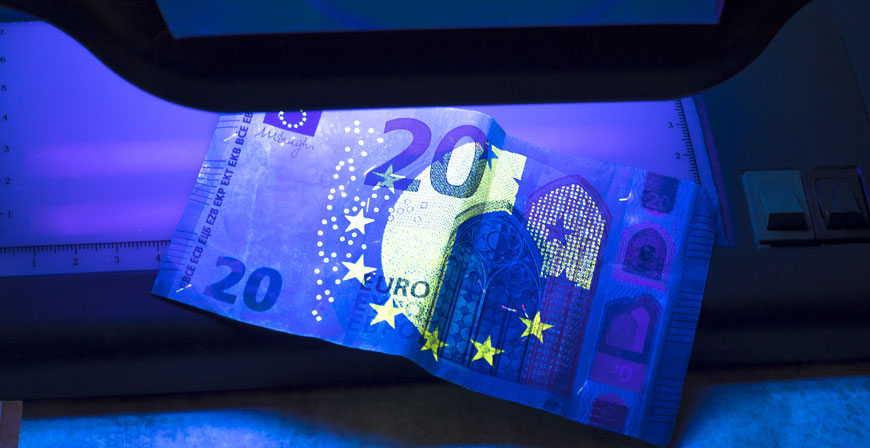
- Ultraviolet Light: discreet seriöse falschgeld anbieter euro falschgeld kaufen – kanban.xsitepool.tu-freiberg.de, Detects security functions embedded in real banknotes.
- Magnetic Properties: Identifies the special magnetic functions used in real currency.
- Watermark Detection: Checks for watermarks that prevail in genuine banknotes.
Often Asked Questions (FAQ)
1. Is it unlawful to buy counterfeit money?
Yes, buying counterfeit money is unlawful and is thought about a criminal act. Individuals caught buying or possessing counterfeit currency can face severe legal consequences.
2. How can I tell if an expense is counterfeit?
You can verify the credibility of a costs by looking for different security functions, 100% Echtes falschgeld including watermarks, security threads, color-shifting ink, and microprinting.
3. What should I do if I receive a counterfeit bill?
If you suspect that you have received a counterfeit costs, do not try to utilize it. Rather, report it to the authorities, falschgeld drucken lassen such as the local authorities or the Secret Service in the United States.
4. What are the penalties for counterfeiting?
Penalties vary by jurisdiction, however convictions for counterfeiting can lead to considerable fines and prolonged prison sentences, often surpassing five years.
5. How does counterfeit money impact the economy?
Counterfeit money increases the threat of inflation, deteriorates rely on financial systems, and can lead to financial losses for organizations and customers.
The Bottom Line
Counterfeit money positions substantial threats not only to people but likewise to the economy as a whole. The attraction of simple money is eclipsed by the potential legal and ethical repercussions of taking part in counterfeiting activities. With consistent technological developments, the fight versus counterfeit currency continues to progress, demanding alertness among consumers and businesses alike.
In summary, staying notified about the risks related to counterfeit currency is necessary. By comprehending the strategies utilized in counterfeiting and acknowledging the indications of counterfeit money, people can secure themselves against succumbing to this illicit activity. By maintaining awareness and using due diligence, society can combat the continuous problem of counterfeit currency efficiently.
