

Folding Ramp For Wheelchair
Add a reviewOverview
-
Sectors Critical Care
-
Posted Jobs 0
-
Viewed 173

Company Description
Nine Things That Your Parent Taught You About Portable Disabled Ramp
Portable Ramps: A Comprehensive Guide
In today’s world, accessibility is a fundamental right, making it possible for people with mobility difficulties to browse their environments with ease. Portable ramps play an essential role in this ease of access, acting as adaptable solutions for both temporary and permanent usage. Whether for wheelchair users or people with strollers, portable ramps offer flexibility and benefit. This blog post explores the different elements of portable ramps, including types, features, advantages, and installation tips.
What is a Portable Ramp?
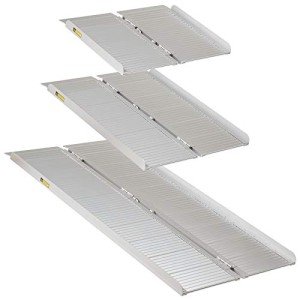
A portable ramp is a mobility aid designed to assist individuals in conquering barriers such as stairs or curbs. These ramps are lightweight, foldable, and simple to transfer, making them a perfect choice for both indoor and outside use. They can be constructed from numerous materials, including aluminum, rubber, and wood, each offering distinct benefits.
Table 1: Types of Portable Ramps
| Type | Description | Typical Uses |
|---|---|---|
| Wheelchair Ramps | Created specifically for wheelchair access. | Home entrances, automobiles |
| Threshold Ramps | Short ramps for doors or small steps. | Doorways, thresholds |
| Folding Ramps | Ramps that fold for simple storage and transportation. | Temporary usage in public spaces |
| Roll Up Ramps | Versatile ramps that can be rolled up for transport. | Occasions, outdoor activities |
| Bi-fold Ramps | Ramps that fold in half for easy handling. | Action access, cars |
Benefits of Using Portable Ramps
1. Enhanced Accessibility
Portable ramps supply people with mobility challenges the ability to access different environments without support. They assist eliminate barriers and promote independence.
2. Flexibility
These ramps can be used in a variety of areas, making them adaptable for individual usage. They can accommodate wheelchairs, scooters, and walkers in diverse settings, consisting of homes, offices, and public areas.
3. Easy Installation
Most portable ramps require very little assembly and can be quickly deployed. This ease of setup makes them perfect for temporary scenarios, such as outdoor events or traveling.
4. Lightweight and Sturdy
Constructed from lightweight materials like aluminum, portable ramps are easy to bring without jeopardizing resilience. They can support significant weight, guaranteeing security for users.
5. Economical Solution
Purchasing a portable ramp is typically more affordable than making long-term structural changes, such as setting up a fixed ramp or elevator.
6. Transport-Friendly
The majority of portable ramps are foldable or retractable, making them practical for transport in automobiles. Their style permits easy storage when not in usage.
Table 2: Features to Look for in Portable Ramps
| Function | Value |
|---|---|
| Weight Capacity | Guarantee it can support intended usage. |
| Material | Durability and weather resistance. |
| Surface area Texture | Avoid slip and improve traction. |
| Length and Gradient | For safe access depending on height. |
| Mobility | Lightweight or foldable for simple transport. |
Considerations When Choosing a Portable Ramp
When selecting a portable ramp, it is important to consider a number of elements to ensure it meets the user’s requirements:
1. Weight Capacity
Constantly inspect the weight capability of the ramp to make sure that it can accommodate the user and their equipment comfortably.
2. Gradient and Length
Ramps ought to have a progressive slope for safe use. As a rule of thumb, a 1:12 slope (one inch of height for every single 12 inches of ramp) is typically suggested.
3. Mobility Equipment Compatibility
Guarantee the ramp’s dimensions are appropriate for the particular mobility device being utilized, whether it be a wheelchair, walker, or scooter.
4. Surface area Texture
The ramp’s surface area need to provide sufficient traction to avoid slipping, particularly in damp or outside conditions.
5. Material Durability
Select ramps made from robust products that can endure environmental components, particularly for outside use.
6. Mobility
Consider whether the ramp is easy to transport and shop, particularly if you prepare to take it on the go.
Installation and Usage Tips
1. Examine the Environment
Before installation, examine the location where the ramp will be utilized. Look for steady surfaces without particles or barriers.
2. Level the Ramp
Guarantee the ramp is level; this will improve safety and facilitate smooth access for users.
3. Protect the Ramp
If possible, secure the ramp in place to prevent motion during use. Numerous ramps featured non-slip bases for added stability.
4. Evaluate the Ramp
Before full usage, test the ramp with a progressive ascent and a constant weight to gauge its efficiency.
5. Routine Maintenance
Examine ramps regularly for wear and tear, especially at the hinges, folding mechanisms, and surfaces. Tidy the ramp periodically to preserve its condition.
Frequently Asked Questions (FAQs)
Q1: Are Portable Disabled Ramp ramps appropriate for outdoor use?
Yes, lots of portable ramps are developed for outdoor use, but it’s important to inspect the product for weather condition resistance and toughness.
Q2: How do I figure out the ideal length of a portable ramp?
Follow the 1:12 slope rule: for every single inch of height, you need a foot of ramp length. Measure the height of the step or curb, and calculate the ramp length appropriately.
Q3: Can portable ramps be used for cars?
Yes, specifically created portable ramps are offered for lorry access, allowing wheelchair users to go into and leave their automobiles securely.
Q4: How much do portable ramps typically cost?
Expense can differ significantly based upon size, material, and features. Standard designs begin around ₤ 100, while durable ramps can vary from ₤ 500 to over ₤ 1000.
Q5: Are there weight limitations for portable ramps?
Yes, each ramp has actually a defined weight limitation. Make certain to check the manufacturer’s standards to ensure safety.
Portable ramps are indispensable tools that significantly enhance accessibility for individuals with mobility difficulties. By comprehending the different types, benefits, and factors to consider for portable ramps, users can make educated options to improve their day-to-day lives. Whether for temporary usage at occasions or a permanent service to navigate home steps, portable ramps provide the needed assistance and independence to many individuals. As society continues to prioritize inclusivity, portable ramps will stay vital in breaking down physical barriers.
