

Acheter Un Permis De Conduire Européen
Add a reviewOverview
-
Sectors Urology
-
Posted Jobs 0
-
Viewed 21

Company Description
Obtain Driver’s License In France 101 A Complete Guide For Beginners
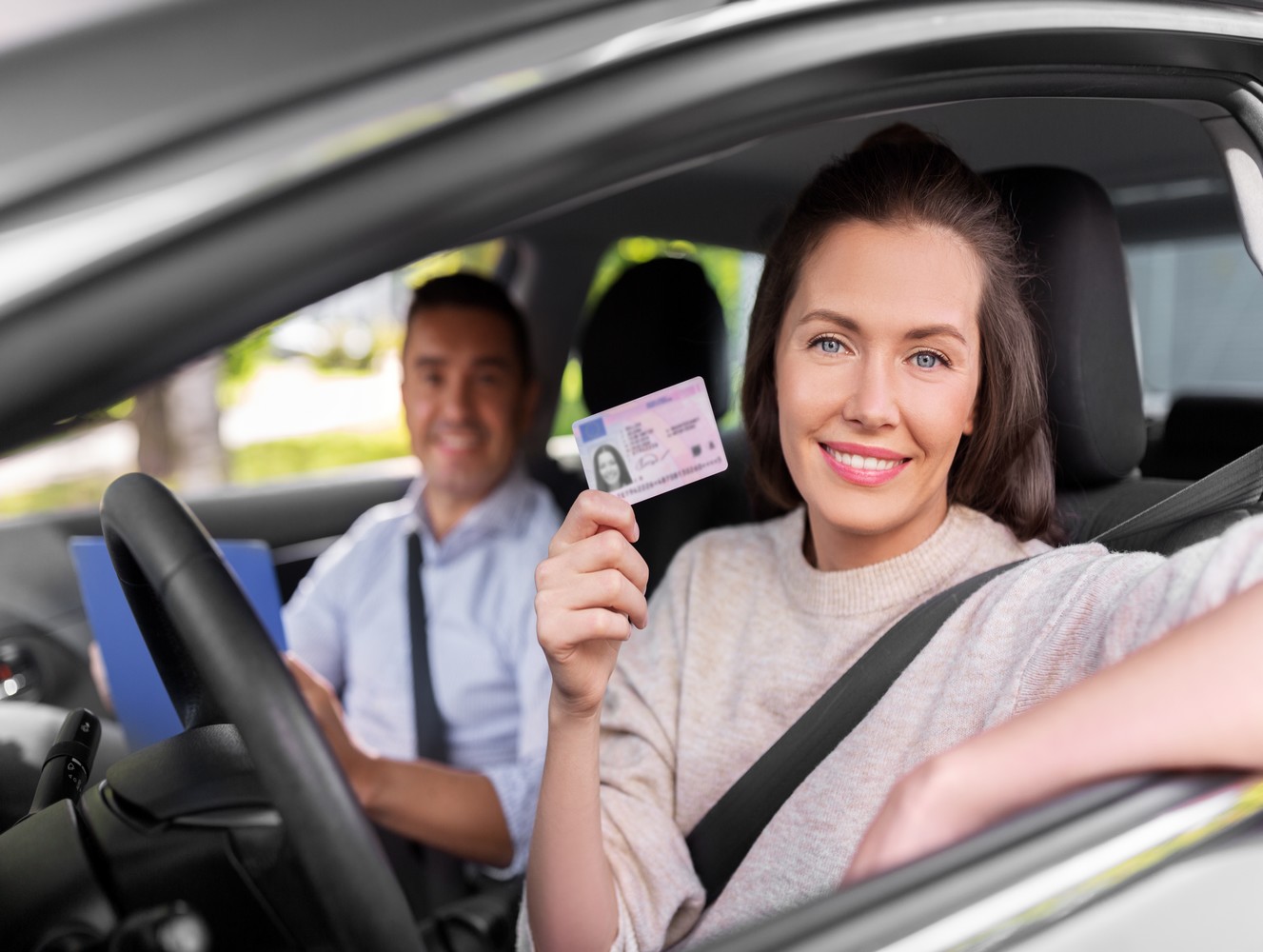
Obtaining a Driver’s License in France
Getting a motorist’s license in France is a structured process that differs based on a number of factors, consisting of the candidate’s age, nationality, and language efficiency. Whether a resident or a foreign nationwide, knowing the step-by-step procedure is necessary for navigating the French administration efficiently. This extensive guide intends to offer all the essential information to obtain a motorist’s license in France, consisting of application actions, needed files, costs, and often asked questions.
Overview of the French Driver’s License
In France, the chauffeur’s license (acheter un permis de conduire avec une carte de crédit un permis de conduire en france échange permis de conduire france Conduire sans poser de questions (https://114.242.31.6) de conduire) is classified mainly into several classes:
| License Category | Description |
|---|---|
| B | For traveler automobiles, including vans (as much as 3.5 loads). |
| A1 | For light bikes (as much as 125cc). |
| A2 | For heavier motorbikes (over 125cc but under 35kW). |
| A | For all motorcycle categories. |
| C | For large vehicles (trucks over 3.5 lots). |
| D | For traveler transport automobiles (buses). |
This blog site will generally concentrate on the process of obtaining a Category B license, which is the most typically sought after by new chauffeurs in France.
Step-by-Step Process to Obtain a Driver’s License in France
1. Identify Eligibility
To get approved for a French chauffeur’s license, the candidate should fulfill the following requirements:
- Age: The minimum age for a Category B license is 18 years.
- Residency: Applicants need to have legal residency in France or be a person of a European Union (EU) country. Foreign nationals from exterior of the EU may have to present extra documents.
2. Enlist in Driving School
While it’s possible to take the useful driving exam without participating in a driving school, it’s highly suggested to enlist in a certified driving school (auto-école). This step supplies detailed driver education and training, covering both theoretical and practical aspects.
3. Get ready for the Theoretical Exam
This theoretical part of the exam is called the “Code de la path,” which covers traffic laws, indications, and roadway security. It is necessary to pass this test before carrying on to the practical driving examination.
| Theoretical Exam Details | Description |
|---|---|
| Duration | 40 minutes |
| Number of Questions | 40 multiple-choice questions |
| Passing Grade | A minimum of 35 appropriate responses |
4. Take the Practical Driving Test
After passing the theoretical exam, prospects can schedule their useful driving test. The useful part normally includes a driving trainer evaluating their abilities on real roadways over a duration of around 25 minutes.
| Practical Driving Test Details | Description |
|---|---|
| Duration | About 25 minutes |
| Evaluation | Based upon set criteria (driving, parking, etc) |
| Passing Grade | Need to score less than 20 points (out of 31) |
5. Needed Documents
When making an application for the driver’s license, prospects must offer:
- Proof of identity (passport, nationwide ID card)
- Proof of home in France (recent energy expense, rental agreement)
- A medical certificate (not older than 12 months)
- Theoretical and practical examination results
- Two passport-sized photographs
- Payment for the exam costs (differs by driving school)
6. Using for the License
As soon as the prospects have actually effectively finished both tests, they need to make an application for their chauffeur’s license through the regional prefecture or police headquarters. The following files are normally required throughout application:
| Documents Required | Description |
|---|---|
| Finished Application Form | Available at the regional prefecture or online |
| Evidence of Identity | Passport or national ID card |
| Evidence of Residency | Recent expense or main file |
| Medical Certificate | Provided by a doctor |
| Test Results | Both theoretical and practical |
| Images | 2 recent passport-sized photos |
| Payment | License cost (around EUR25-EUR50) |
7. Wait for the License Issuance
Finally, after sending the application, it generally takes about 2 to 6 weeks for the license to be processed and sent out.
Cost Overview
Here’s a summary of the total costs you may come across throughout the procedure:
| Cost Item | Estimated Cost (in Euros) |
|---|---|
| Driving School Fees | EUR1,200 – EUR2,000 |
| Theoretical Exam | EUR30 – EUR60 |
| Practical Driving Test | EUR100 – EUR200 |
| Administrative Fees | EUR25 – EUR50 |
| Overall Estimated Cost | EUR1,500 – EUR2,300 |
Frequently Asked Questions (FAQ)
1. Can I drive in France with a foreign license?
Yes, if your foreign license is valid and provided in a language that is either French or English, you can drive in France for as much as one year. After this duration, you might need to exchange it for a French license.
2. For how long is a French motorist’s license valid?
The French motorist’s license stands for 15 years. After this duration, it needs to be renewed.
3. What should I do if I fail the driving test?
If a candidate fails the practical driving test, they can retake the examination. There is no waiting period to retake it in France, however they might require to pay extra charges.
4. Can I use an automated vehicle to take the driving test?
Yes, if you take your driving test in an automatic automobile, your motorist’s license will be limited to automated vehicles only.
5. What if I do not speak French?
For non-French speakers, lots of driving schools use direction in other languages. Nevertheless, the examinations are usually performed in French, so it might be useful to brush up on fundamental driving vocabulary.
Obtaining a driver’s license in France involves browsing a number of steps, from choosing a driving school to effectively passing the needed tests and getting the license itself. Comprehending the requirements and procedures ahead of time can alleviate the procedure substantially. While the costs can be substantial, the benefits of having a chauffeur’s license in France– delighting in movement and the freedom to explore its beautiful landscapes– far outweigh the challenges. Whether you are a resident or a newcomer, following this guide will ensure you are well-prepared to strike the French roadways with self-confidence.
