

Counterfeit Notes
Add a reviewOverview
-
Sectors Radiology
-
Posted Jobs 0
-
Viewed 25

Company Description
20 Important Questions To Be Asking About Counterfeit Bills Before You Purchase Counterfeit Bills
Understanding Counterfeit Bills: The Threat, the Prevention, and the Future
Counterfeit bills have actually been a considerable concern throughout history, affecting economies, businesses, and people alike. In a world where transactions are becoming significantly digital, the problem of counterfeit currency persists, with counterfeiters discovering innovative ways to make use of vulnerable spots in the monetary system. This article looks into the ins and outs of counterfeit bills, providing insights into their nature, how they are developed, strategies for avoidance, and the prospective future of currency.

The Anatomy of Counterfeit Bills
What are Counterfeit Bills?
Counterfeit bills are imitation currency produced with the intent to deceive individuals or entities into accepting them as legitimate money. These fraudulent bills typically mirror the design and feel of genuine currency, making them more tough to discover.
Why Do People Counterfeit Money?
Counterfeiting, while illegal, can be profitable. Here are some of the reasons people or groups might take part in such activities:
- Financial Gain: Counterfeiters aim to make money from their unlawful activities.
- Access to High-Quality Counterfeit Money Printing Technology: Advances in printing technology have actually made it easier for counterfeiters to produce high-quality imitations.
- Demand for Cash: In certain economies, the need for cash makes counterfeiting appealing.
Typical Counterfeit Techniques
Counterfeiters employ various methods to reproduce currency, including:
| Technique | Description |
|---|---|
| Digital Printing | Utilizing high-resolution printers to create fake notes. |
| Lithography | Standard printing processes to produce imitations. |
| Photographic Copies | Scanning and printing high-quality pictures of real bills. |
| Chemical Alteration | Changing existing bills to change the denomination. |
The Impact of Counterfeit Bills
The ramifications of counterfeit currency reach far beyond the immediate financial loss. Here’s how counterfeit bills impact numerous stakeholders:
1. Services
- Financial Loss: Merchants may confront 100% loss on counterfeit bills passed to them.
- Undermined Trust: Businesses might lose client trust, impacting future sales.
2. Consumers
- Loss of Value: Individuals may unsuspectingly wind up with counterfeit bills, losing their money.
3. Government and Economy
- Increased Inflation: Counterfeit currency can cause inflation, as it fills the market with fake money.
- Law Enforcement Costs: Increased need for policing and enforcement diverts state resources.
How to Detect Counterfeit Bills
Recognizing counterfeit currency is crucial. Here are the standard features to try to find when verifying bills:
Features of Real Currency
| Security Feature | Description |
|---|---|
| Watermark | An ingrained watermark that is noticeable when held up to light. |
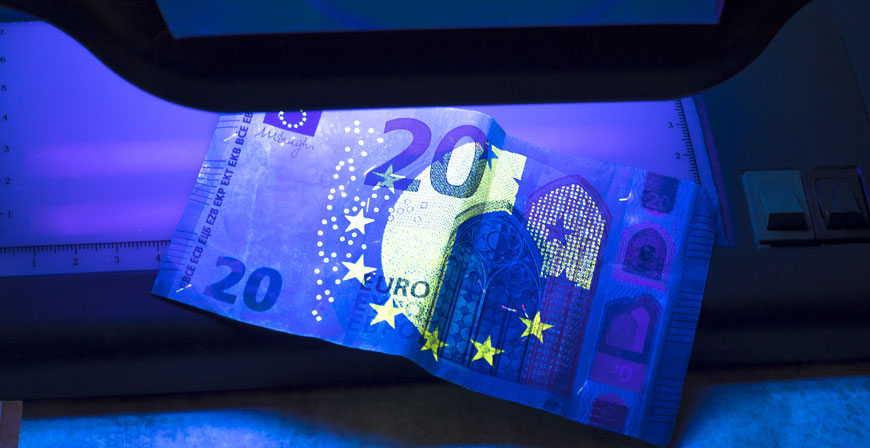
| Security Thread | A thread that goes through the costs, legible under UV light. |
| Color-Shifting Ink | Ink that alters color when seen from different angles. |
| Microprinting | Tiny text that is hard to duplicate. |
Tips for Detection
- Feel the Bill: Real currency has a distinct texture due to the paper and printing process.
- Check the Edges: Genuine bills have sharp, clear edges rather than the soft or fuzzy edges of counterfeit bills.
- Utilize a UV Light: Many security aspects are only noticeable under ultraviolet (UV) light.
Avoiding Counterfeit Bills
Preventative steps can substantially reduce the possibilities of coming down with Purchase Counterfeit Bills currency, specifically for companies. Here are a number of techniques to think about:
1. Education and Training
- Provide staff with training on how to determine Buy Counterfeit Money bills and acknowledge security features.
2. Use of Technology
- Consider utilizing Buy Counterfeit GBP detection machines that can rapidly determine fake bills.
3. Regular Monitoring
- Routine audits of cash holdings can help in early detection of counterfeit bills.
4. Bank Partnerships
- Work closely with banks to get upgraded information on counterfeit trends and steps.
5. Public Awareness Campaigns
- Motivate local businesses to engage in neighborhood awareness concerning counterfeiting.
The Future of Currency
With developments in innovation and an increasing pattern toward cashless deals, the future of currency stays unsure. Experts are checking out various possibilities:
- Digital Currency: Cryptocurrencies and reserve bank digital currencies (CBDCs) might reduce dependence on physical cash, possibly minimizing counterfeiting.
- Boosted Security Features: Innovations in security functions for physical currency may include sophisticated holograms and embedded chips to further deter counterfeiters.
- Blockchain Technology: This could provide a protected technique for transactions, reducing the role of traditional cash.
Frequently Asked Questions (FAQ)
1. How can I tell if a bill is counterfeit?
To identify a counterfeit costs, check for the security includes mentioned previously, such as the watermark and color-shifting ink.
2. What should I do if I get a counterfeit expense?
If you believe you have a counterfeit expense, do not try to pass it on. Contact regional law enforcement or your bank for additional guidance.
3. Are certain bills most likely to be counterfeited?
Normally, greater denomination bills, like ₤ 100 notes, are counterfeited more frequently due to the willingness of people to pass them on.
4. Can innovation assistance in preventing counterfeiting?
Yes, counterfeit detection makers and advanced printing technology can assist in recognizing Buy Counterfeit GBP bills before they enter flow.
5. What is the penalty for counterfeiting currency?
Counterfeiting is a severe criminal offense and can result in serious charges, consisting of hefty fines and imprisonment.
Counterfeit bills stay a relentless issue, impacting services, consumers, and nationwide economies. By understanding the nature of counterfeiting, acknowledging security functions, and employing avoidance strategies, individuals and organizations can better safeguard themselves versus this misleading practice. With the evolving landscape of currency, cooperation in between governments, services, and customers is vital in curbing counterfeiting activities effectively.
