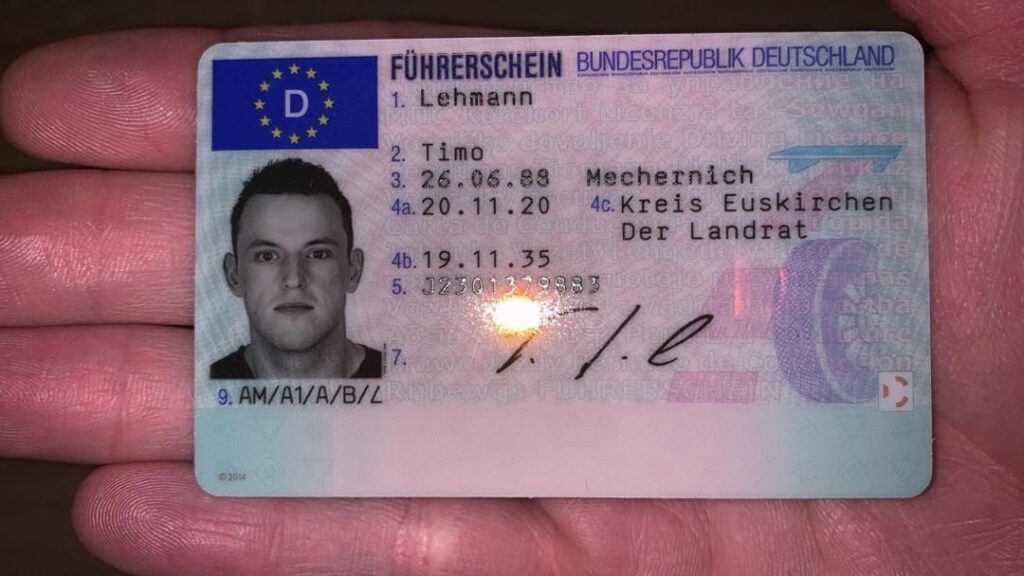

Deutscher Führerschein Kaufen
Add a reviewOverview
-
Sectors Sports Medicine
-
Posted Jobs 0
-
Viewed 56

Company Description
20 Myths About Purchase German Driver’s License: Dispelled
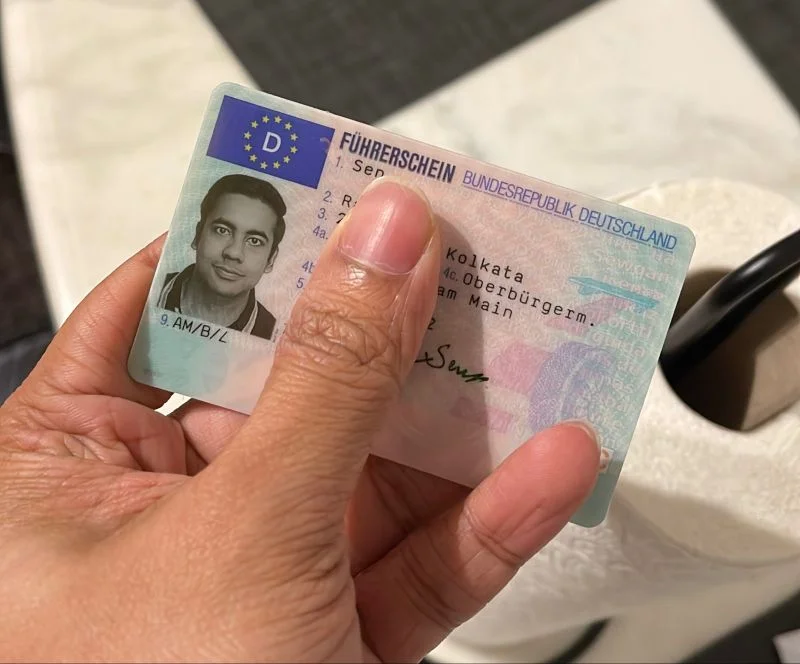
Your Comprehensive Guide to Purchasing a German Driver’s License
Germany is renowned for its efficient transportation system, and getting a chauffeur’s license is typically an entrance to higher movement and flexibility. Nevertheless, the procedure can be somewhat complicated for both homeowners and migrants. In this guide, we aim to clarify the actions involved in getting a German motorist’s license, highlighting necessary info, expenses, and regularly asked concerns.
Comprehending the Types of Driver’s Licenses in Germany
Before embarking on the process of acquiring a driver’s license, it is important to comprehend the different types offered in Germany. The classifications are generally divided based on automobile types:
| License Category | Description | Minimum Age | Car Type |
|---|---|---|---|
| Class A | Motorcycle license | 24 (or 21 with previous experience) | All bikes |
| Class B | Car license | 18 | Cars up to 3.5 tonnes |
| Class C | Truck license | 21 | Trucks over 3.5 tonnes |
| Class D | Bus license | 24 | Buses with more than 8 guest seats |
| Class BE | Towing license | 18 | Combination of automobiles (B + trailer) |
| Class C1 | Light truck license | 18 | Trucks in between 3.5 and 7.5 tonnes |
Steps to Obtain a German Driver’s License
1. Eligibility Requirements
To start the process, candidates should please the following criteria:
- Be at least the minimum age for the desired license classification.
- Have a legitimate ID or home allow if you are a foreigner.
- Have a fundamental understanding of German, specifically for Deutschen Führerschein Bestellen the theoretical examination.
2. Enroll in a Driving School
Registering in a recognized driving school is important. This action generally involves:
- Choosing a local driving school and signing an agreement.
- Going to theoretical classes which cover road safety, traffic policies, and emergency treatment.
- Enrolling in practical driving lessons.
3. Complete a First Aid Course
A First Aid course is a mandatory requirement for all drivers in Germany, providing vital skills to handle emergency situations. The courses generally take about 8 hours and can be done through different recognized organizations.
4. Pass the Theoretical Exam
After completing theoretical classes, candidates must pass a written exam. This includes:
- 30 multiple-choice concerns.
- A passing rating of a minimum of 90% needed (27 appropriate responses).
5. Practical Driving Test
When the theoretical exam is cleared, the next step is the useful driving test, which includes:
- A test with an examiner where candidates demonstrate driving abilities.
- Performing numerous maneuvers under guidance.
- A passing score is needed to receive the license.
6. License Issuance
Upon passing both tests, prospects can obtain their chauffeur’s license at the regional licensing authority (Führerscheinstelle). This process includes:
- Submitting the test results.
- Supplying identification and home files.
- Paying the proper fees.
Expenses Involved
The costs involved can differ substantially based upon area, driving school, and private circumstances, however here’s a general breakdown:
| Expense | Approximate Cost (in EUR) |
|---|---|
| Driving School Tuition | 1,500 – 2,500 |
| Emergency Treatment Course | 50 – 100 |
| Theoretical Exam Fee | 25 – 50 |
| Practical Exam Fee | 150 – 250 |
| License Issuance Fee | 40 – 60 |
| Overall Estimated Cost | 1,800 – 3,000 |
FAQ Section
Q1: Can immigrants acquire a German chauffeur’s license?
Yes, foreigners can obtain a German motorist’s license. If you hold a chauffeur’s license from another country, you might have the ability to exchange it for a German license without additional tests, Deutscher FüHrerschein Online subject to specific conditions.
Q2: How long does the whole procedure take?
The period can differ. An extensive procedure, consisting of both theoretical and practical lessons, might take numerous months, while an expedited technique can take just a few weeks.
Q3: Is it essential to speak German?
While not compulsory, having a standard understanding of German is highly useful, especially for the theoretical exam and Deutschen FüHrerschein Erwerben communication with trainers. Many driving schools provide courses in English, anbieter von Deutschen FüHrerscheindokumenten but having some knowledge of German will absolutely ease the process.
Q4: What if I fail the examinations?
If candidates fail the theoretical or practical examination, they can retake them. However, there will be extra costs involved for each retake.
Q5: Are there any age exemptions?
Yes, an individual can begin taking driving lessons at the age of 17 with a “begleitetes Fahren” (accompanied driving) license, which allows them to drive with a skilled motorist till they turn 18.
Acquiring a chauffeur’s license in Germany supplies not simply mobility however likewise opens the door Anmeldung für einen deutschen Führerschein to myriad chances within the country. While the procedure may appear intimidating in the beginning, a structured method and understanding of the actions included make it manageable. By following this guide, potential motorists can effectively navigate the course to obtaining their German motorist’s license and delight in the freedom of the road.