
Falschgeld Drucken Darknet
Add a reviewOverview
-
Sectors Neurology
-
Posted Jobs 0
-
Viewed 65

Company Description
How A Weekly Acquire Money Illegally Darknet Project Can Change Your Life
Counterfeit Money Statistics on the Darknet: A Hidden Economy
Counterfeiting money is a financial criminal offense that presents a major hazard to economies worldwide. As innovation advances, the methods of counterfeiting have developed, moving from traditional printing presses to advanced digital tools discovered in the deepest corners of the internet, consisting of the darknet. This post delves into the complex world of counterfeit money statistics on the darknet, clarifying its occurrence and impact.
Comprehending the Darknet
Before diving into the statistics, it’s necessary to clarify what the Verbotenes Geld Darknet is. The darknet is a portion of the internet that is not indexed by traditional online search engine. It needs specific software application, setups, or permission to access, making it a center for illicit activities– including the trading of counterfeit money.
Quick Facts about the Darknet
- Access: Requires software such as Tor or I2P.
- Content: Often used for unlawful activities, consisting of drug trafficking, arms sales, and counterfeit currency.
- Anonymity: Users can search and negotiate without revealing their identities.
Counterfeit Money and Its Prevalence
Counterfeit currency has a long history, however its increase on the internet, especially on the Falschgeld Diskussion Darknet, represents a new frontier in this olden criminal activity. The intro of sophisticated printing methods and digital currency has actually even more complicated tracking and enforcement efforts.
2023 Counterfeit Money Statistics
| Fact | Worth |
|---|---|
| Estimated Counterfeit Currency in Circulation (2023 ) | ₤ 400 million |
| Portion of Counterfeit Notes Detected in the U.S. (2022 ) | 0.01% |
| Increase in Online Sales of Counterfeit Currency (2022-2023) | 38% |
| Average Price of Counterfeit ₤ 100 Bill on Darknet | ₤ 50 |
| Approximated Number of Listings for Counterfeit Currency on Major Darknet Markets | 1,200 |
Source: Various police and Falschgeld Community Darknet market analysis reports.
These statistics paint a plain image of the counterfeit money situation, particularly in concerns to the darknet. While ₤ 400 million might seem minimal compared to the overall currency in blood circulation, the increase of online sales is alarming.
How Counterfeit Money is Sold on the Darknet
Counterfeit money is generally sold on darknet markets where anonymity is ensured. Vendors frequently use encrypted communication methods and cryptocurrency for transactions to further unknown their identity. Here’s how the process usually works:
- Listing the Product: Vendors produce listings with images and descriptions of the counterfeit bills.
- Transaction: Buyers utilize cryptocurrency to acquire the bills.
- Shipment: Once the payment is verified, the supplier ships the cash to the buyer’s address or utilizes other delivery methods to maintain anonymity.
Common Types of Counterfeit Currency on the Darknet
- United States Dollars: Particularly popular due to the currency’s occurrence worldwide.
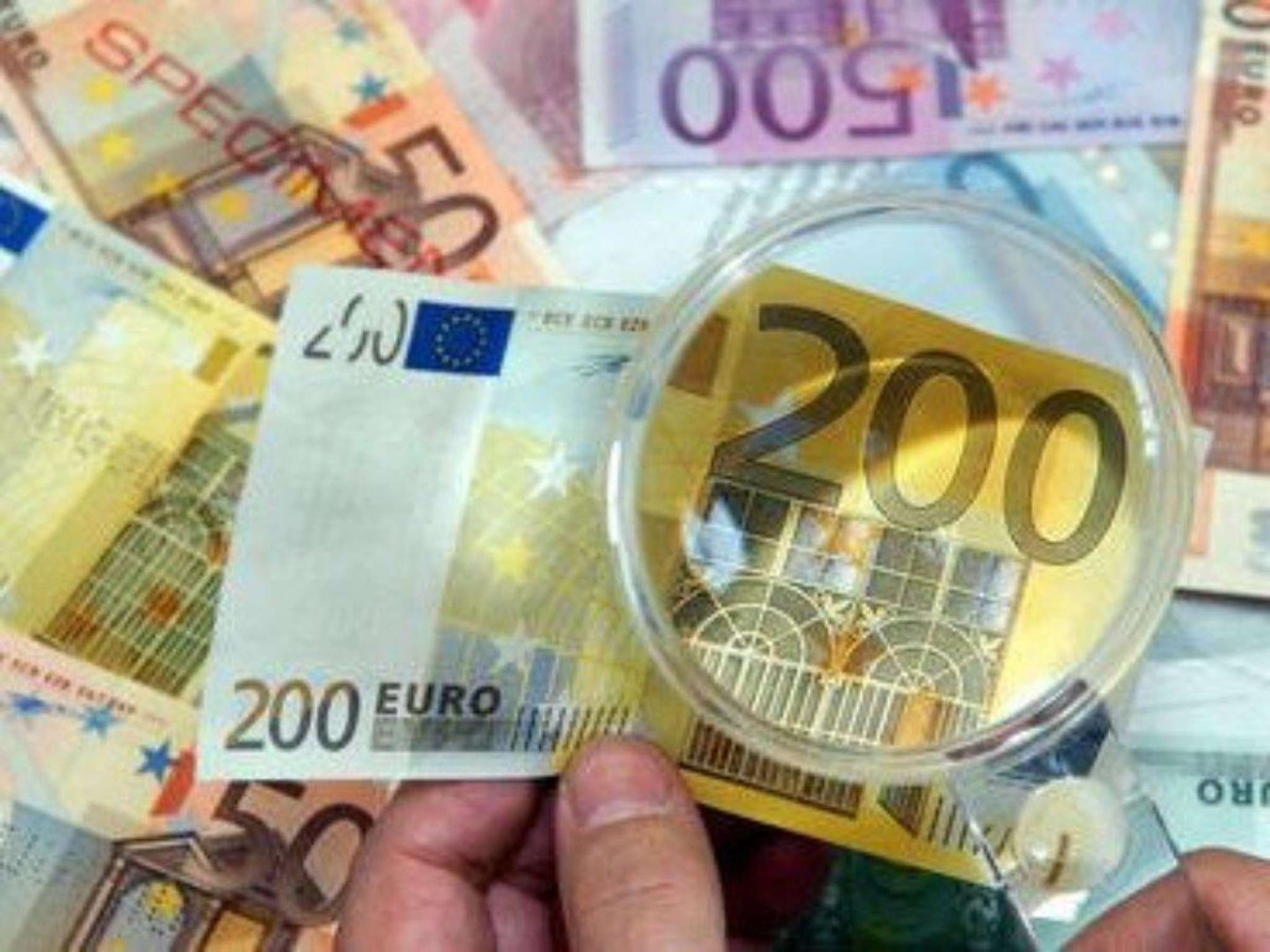
- Euros: Increasing in need, specifically in areas where the Euro is dominant.
- Cryptocurrency: Some vendors use counterfeit digital currency, though it is less common.
The Risks of Counterfeit Money
The risk of participating in counterfeit currency transactions– whether as a buyer or a seller– can be considerable. Aside from the apparent legal repercussions, there are monetary risks and individual safety issues involved.
Legal Consequences
- Felony Charges: Counterfeiting is thought about a severe federal offense in lots of nations, leading to heavy fines and jail time.
- Asset Seizure: Law enforcement companies typically take properties obtained through illegal activities.
Financial Risks
- Loss of Funds: Buyers may get poor-quality or unusable counterfeit money.
- Scams: The privacy of the Falschgeld Kryptowährung Darknet leaves purchasers vulnerable to scams.
Effect on the Economy
Counterfeit money has significant ramifications for economies, consisting of:
- Inflation: Introducing counterfeit currency into flow increases the cash supply, possibly causing inflation.
- Loss of Trust: Widespread counterfeiting can deteriorate public rely on currency systems, causing people to seek alternative currencies or Darknet Counterfeit Money Tor financial investment approaches.
- Increased Law Enforcement Costs: Governments may need to assign additional resources to combat counterfeiting.
FAQ Section
What is the darknet?
The darknet is a part of the internet that requires unique software application to gain access to and is typically related to prohibited activities.
How prevalent is counterfeit money on the darknet?
Quotes recommend there are over 1,200 listings for counterfeit currency on significant darknet marketplaces.
What types of counterfeit currency prevail on the darknet?
The most common types consist of U.S. dollars and euros, with some suppliers also dealing in counterfeit cryptocurrency.
What are the risks of acquiring counterfeit money?
Taking part in the purchase of counterfeit money can cause legal consequences, monetary loss, and personal security issues.
How do law enforcement agencies fight counterfeit currency on the darknet?
Agencies utilize a variety of methodologies, including undercover operations, digital forensics, and partnership with global law enforcement.
The statistics surrounding counterfeit money on the darknet highlight a growing concern for police, financial experts, and the general public alike. As the digital landscape continues to develop, counterfeiters are discovering brand-new methods to exploit anonymity and technology, presenting considerable risks not only to individuals however to the financial stability of countries. Awareness and education about the risks can help in combating this illicit activity.
As long as need exists, the market for counterfeit money on the Falschgeld Darknet Marktplatz will persist, necessitating continuous alertness from both authorities and the general public.