

Fräsmaschinen Für Kleinunternehmen Kaufen
Add a reviewOverview
-
Sectors Pediatrics
-
Posted Jobs 0
-
Viewed 99

Company Description
5 Vertical Milling Machines Projects For Every Budget
Understanding Vertical Milling Machines: An In-Depth Guide
Vertical milling machines, essential tools in the contemporary production landscape, play a vital function in various industries, varying from automotive to aerospace. These machines use precision and adaptability, making them a popular choice for complicated machining tasks. This article intends to information the workings, benefits, applications, and maintenance of vertical milling machines to supply readers with a comprehensive understanding of these vital production tools.
What is a Vertical Milling Machine?
A vertical milling machine is a machine tool that utilizes rotary cutters to get rid of product from a workpiece. The spindle, which holds the cutting tool, is oriented vertically, permitting for detailed machining operations. The machine can manage various materials such as metals, plastics, and wood.
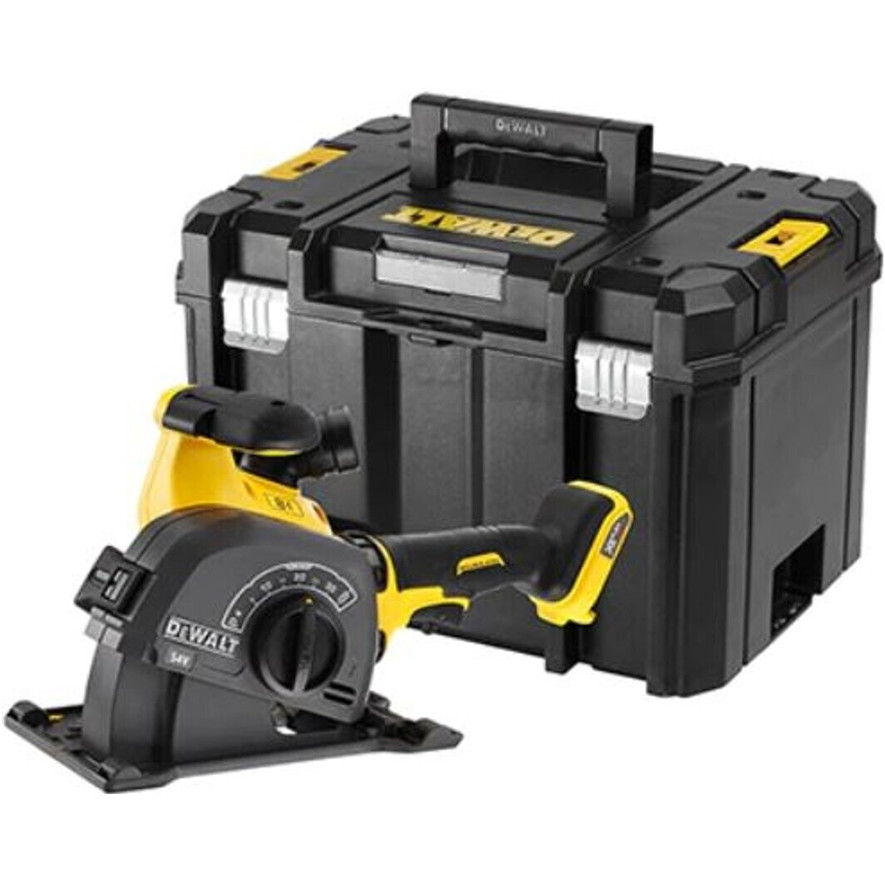
Secret Components of a Vertical Milling Machine
- Base: The heavy part that supports the entire machine and absorbs vibrations.
- Column: The vertical structure housing the spindle and other elements.
- Spindle: The turning part that holds the cutting tool.
- Table: The flat surface where the workpiece is placed.
- Knee: The part that supports the table and permits for vertical motion.
- Saddle: A platform that supports the table and enables for horizontal motion.
- Power Feed Mechanism: Facilitates automatic and manual movement of the table.
Table 1: Comparison of Vertical and Horizontal Milling Machines
| Function | Vertical Milling Machine | Horizontal Milling Machine |
|---|---|---|
| Spindle Orientation | Vertical | Horizontal |
| Cutting Tool Position | Above the workpiece | Side of the workpiece |
| Applications | Better for elaborate shapes and smaller sized parts | Suitable for larger projects and long cuts |
| Setup Time | Normally needs more time | Typically much faster setup |
| Cost | Usually more affordable | Can be more pricey due to complexity |
Benefits of Vertical Milling Machines
Vertical milling machines feature several benefits that make them a preferred choice in manufacturing environments:
-
Precision Cutting: The vertical design permits great control over vertical motion, which is crucial for comprehensive machining jobs.
-
Alleviate of Use: Most vertical milling machines use simpler operation and user-friendly controls, Industriefräsmaschinen making them user-friendly for operators of numerous ability levels.
-
Adaptability: These machines can perform various operations, consisting of drilling, boring, and tapping, thus offering a one-stop solution for various machining needs.
-
Area Efficiency: Vertical milling machines require less flooring area than horizontal machines, making them perfect for facilities with restricted space.
Applications of Vertical Milling Machines
The versatility of vertical milling machines enables them to be used in many applications, such as:
-
Prototype Development: Engineers frequently use vertical mills to create models due to their precision and adaptability to develop modifications.
-
Custom Part Manufacturing: Ideal for producing special parts according to customer specifications.
-
Tool and Die Making: Essential for producing complex tools, dies, and molds.
-
Aerospace Components: Used in the production of intricate parts that require precise attention to information.
Maintenance of Vertical Milling Machines
Correct maintenance is important to prolonging the life of a vertical milling machine. Below are some upkeep pointers:
-
Regular Cleaning: Dust and chips can build up and impact performance. Constantly tidy after use.
-
Lubrication: Ensure that all moving parts are sufficiently lubed to avoid wear.
-
Alignment Checks: Regularly check the alignment of the spindle and table to keep accuracy.
-
Inspection of Tools: Frequently check cutting tools for damage and change them when necessary.
-
Calibration: Periodic calibration helps keep precision and efficiency.
Frequently asked question Section
Q1: What is the difference between CNC and manual vertical milling machines?
A1: CNC (Computer Numerical Control) vertical milling machines are automated and configured to perform exact machining operations, while manual machines require human intervention for adjustments and operation.
Q2: Can vertical milling machines handle large workpieces?
A2: Generally, vertical milling machines are much better suited for smaller sized and medium-sized workpieces. For larger elements, a horizontal milling machine may be preferable.
Q3: What kinds of products can be machined using vertical milling machines?
A3: Vertical milling machines can handle different materials, consisting of metals (like aluminum and steel), plastics, and wood.
Q4: How do I understand if a vertical milling machine is ideal for my requirements?
A4: Consider the intricacy, size, and amount of parts you require to produce. Vertical mills are ideal for comprehensive work and prototyping, while horizontal mills are more fit for large-scale operations.
Vertical milling machines are essential in today’s manufacturing world. Their precision, versatility, and ease of use make them perfect for a myriad of applications, from small-scale models to intricate aerospace components. With the right upkeep practices, these machines can serve businesses for many years, adding to performance and performance. As producing technologies continue to evolve, vertical milling machines will likely remain a cornerstone of reliable machining services.
By comprehending the essential elements, benefits, and applications of vertical milling machines, makers and operators are much better equipped to take advantage of these machines in their production processes successfully.
