

Household Lock Repair
Add a reviewOverview
-
Sectors Obstetrics and Gynecology
-
Posted Jobs 0
-
Viewed 32

Company Description
See What Window Latch Repair Tricks The Celebs Are Using
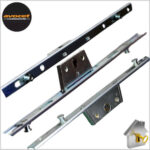
The Comprehensive Guide to Window Latch Repair
When it concerns home upkeep, window latches typically go undetected till they no longer operate effectively. A defective window lock can pose a security danger and expose your home to the elements. Whether you’re a property owner looking to make repairs yourself or just wish to understand the procedure, this guide will cover whatever you need to learn about window lock repair.
Understanding Window Latches
Window locks are small systems that secure windows in a closed position. Depending upon the type of Window Latch Repair, there are numerous types of locks, including:
- Sliding Latches: Typically used on sliding windows or doors.
- Cam Latches: Commonly discovered on double-hung windows.
- Sash Locks: Used in conventional windows for protecting the sashes.
- Push Button Latches: A more modern style typically found in vinyl windows.
Each kind of latch may require a various repair approach, so understanding the mechanism is essential for successful repair work.
Common Problems with Window Latches
Window latches can encounter several issues, which may include:
| Issue | Description |
|---|---|
| Sticking or Jammed Latch | The latch does not move freely, often due to dirt or misalignment. |
| Broken or Missing Parts | Parts might break or end up being lost with time. |
| Rust or Corrosion | Metal parts might rust, impacting functionality and look. |
| Loose or Wobbly Mechanism | The latch might not secure the window firmly, suggesting wear. |
Tools and Materials Needed
Before beginning your window lock repair, collect the following tools and materials:
| Tool/Material | Purpose |
|---|---|
| Screwdriver | For eliminating screws and changing elements. |
| Pliers | Useful for flexing or removing parts. |
| Lube | To assist with sticky or jammed locks. |
| Replacement Parts | If any parts are broken or missing out on. |
| Cleaning up Supplies | Soap, cloth, or brush for cleansing mechanisms. |
| Safety Goggles | Safeguards eyes throughout repairs, particularly when utilizing tools. |
Step-by-Step Repair Guide
1. Examine the Latch
Begin by closely taking a look at the latch system. Open and close the window to determine how the latch operates. Try to find any apparent indications of damage, wear, or misalignment.
2. Tidy the Mechanism
If the latch is sticking, it might just require to be cleaned. Use a cloth taken in soapy water to eliminate dirt and particles. For tight spaces, a toothbrush can be reliable.
3. Oil the Latch
Use a little quantity of lubricant to the latch mechanism to ensure smooth operation. Avoid using extreme lubricant, as this can bring in more dirt and debris.
4. Tighten Up Loose Screws
If the latch feels loose, examine the screws holding it in place. Tighten up any loose screws with a screwdriver. If screws are removed or harmed, they might need to be replaced.
5. Replace Broken Parts
If any parts of the lock are broken or missing out on, you will need to replace them. Go to a hardware shop or search online for replacement parts that match your specific latch type.
- Note: Ensure that you take the old part with you to discover an exact match.
6. Evaluate the Latch
After making the needed repairs, test the lock fix several times to guarantee it operates efficiently and secures the fixing window locks appropriately.
When to Call a Professional
While lots of window latch repairs can easily be handled by house owners, there are scenarios that necessitate calling a professional. Think about expert aid if:
- The window frame is damaged or rotting.
- The lock is inherently complex, requiring specialized knowledge.
- You are uncomfortable dealing with tools or handling hardware.
- There are numerous windows with similar problems, suggesting a larger problem.
Often Asked Questions (FAQ)
Q1. How often should I check my window latches?
It’s suggested to examine your window lock technician latches at least as soon as a year. Routine maintenance guarantees they function correctly and helps recognize concerns before they become substantial issues.
Q2. Can I utilize any lube for window latches?
Not all lubricants appropriate for window locks. It is a good idea to use a silicone-based lubricant or a particular lube designed for windows. Avoid using oil-based items which may bring in dirt.
Q3. How can I avoid rust on metal window latches?
To avoid rust, use a rust-inhibiting primer to metal parts and keep them tidy and dry. Routine maintenance and lubrication can also help ward off rust.
Q4. What if my window lock is missing totally?
If a window latch is missing, it is vital to change it instantly for security and security. Procedure the location and type of lock to find an appropriate replacement.
Q5. Are there any DIY options for changing window latches?
Yes, many kinds of window locks can be changed with basic tools and replacement parts. Guarantee you follow directions or resources particular to your window type for the very best outcomes.
Keeping window latches is an easy yet crucial element of home maintenance. Regular assessments, prompt repairs, and proper cleansing can extend the life of your locks and help protect your home. Whether you choose to deal with repairs yourself or seek assistance from a professional, keeping your windows practical and secure is a vital part of accountable homeownership.
