

Manual Treadmill For Home
Add a reviewOverview
-
Sectors Cardiology
-
Posted Jobs 0
-
Viewed 40

Company Description
You’ll Never Guess This Non Powered Treadmill’s Tricks
The Benefits and Features of Non-Powered Treadmills
Recently, fitness enthusiasts have actually progressively turned to non-powered treadmills as a versatile and sustainable choice for their home health club setups. Unlike traditional motorized treadmills, which count on electricity to run, non-powered treadmills operate exclusively on the user’s motion. This produces a distinct running experience that not only mimics outside running but also uses numerous advantages for fitness lovers of all levels. In this post, we’ll explore the features, advantages, and frequently asked questions about non-powered treadmills.
What is a Non-Powered Treadmill?
A non-powered treadmill, also called a Manual Incline Treadmill treadmill, is a piece of fitness equipment created to enable users to walk or run without the need for any electrical power. The treadmill’s belt relocations in reaction to the user’s movement, supplying a natural running or Walking Treadmill Uk movement. This style makes non-powered treadmills an enticing choice for those seeking to boost their fitness routine.
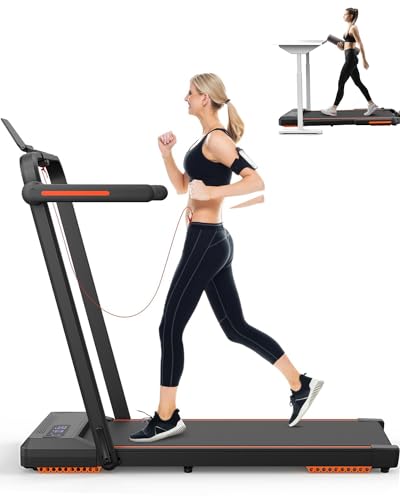
Key Features of Non-Powered Treadmills
| Feature | Description |
|---|---|
| Simpleness | No electrical parts suggest less maintenance and easier setup. |
| Mobility | Light-weight and frequently collapsible, making them simple to transportation. |
| Adjustable Incline | May included adjustable incline levels for increased strength. |
| Resilience | Typically built with strong products designed for lasting use. |
| Caloric Burn | Users can burn more calories because they drive the belt themselves. |
Benefits of Non-Powered Treadmills
-
Improved Cardiovascular Fitness: Since users put in more effort to keep the belt moving, non-powered treadmills can boost cardiovascular health efficiently with time.
-
Muscle Engagement: These treadmills engage more muscle groups, including the glutes, hamstrings, and calves, resulting in a more well balanced exercise.
-
Personalized Workouts: Users can change their rate and slope to match their fitness levels, making non-powered treadmills suitable for newbies and advanced runners alike.
-
Sustainability: Operating without electricity makes non-powered treadmills an eco-friendly choice.
-
Space-Efficient: Many non-powered treadmills are compact and can be stored easily, perfect for home health clubs with limited area.
-
Budget-Friendly: Often, non-powered treadmills are more affordable than their motorized counterparts, making them available to a broader audience.
Comparison Table: Non-Powered vs. Powered Treadmills
| Function | Non-Powered Treadmills | Powered Treadmills |
|---|---|---|
| Source of power | None | Needs electricity |
| Expense | Generally lower | Usually greater |
| Maintenance | Very little | Regular upkeep needed |
| User Control | User drives the movement | Can be configured for speed |
| Area Requirement | Typically compact and foldable | Can be bulky |
Regularly Asked Questions (FAQs)
1. Are non-powered treadmills ideal for novices?
Yes, non-powered treadmills can be ideal for beginners. They permit users to set their own speed and slowly increase the strength of their workouts.
2. How do I use a non-powered treadmill?
To use a non-powered treadmill, simply step onto the belt and start walking or running. The belt will relocate reaction to your movement; the quicker you run, the faster the belt relocations.
3. Do non-powered treadmills offer a great workout?
Definitely! Because the user drives the belt, non-powered treadmills can provide an intense and reliable workout, enabling higher calorie burn compared to powered treadmills if utilized correctly.
4. Can non-powered treadmills assist with weight loss?
Yes, non-powered treadmills can be an effective tool for weight reduction since they require more effort to operate and can cause greater calorie expense during workouts.
5. What are the upkeep requirements for non-powered treadmills?
Non-powered treadmills typically need minimal upkeep. However, it’s a good concept to frequently check the belt for wear and tear and guarantee that all moving parts are functioning efficiently.
Tips for Choosing a Non-Powered Treadmill
When selecting a non-powered treadmill, consider the list below elements:
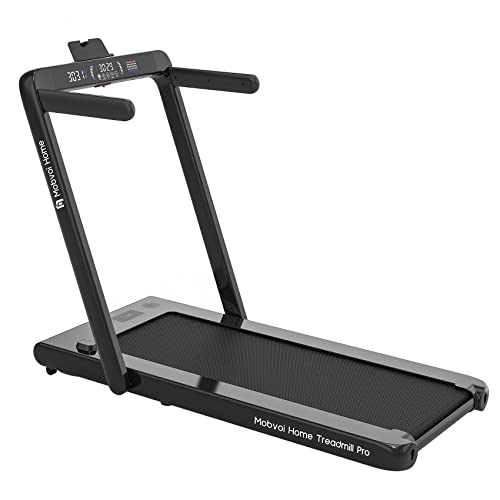
- Belt Size: Ensure that the treadmill has a belt size that accommodates your stride.
- Weight Capacity: Check the treadmill’s weight limitation to guarantee it meets your requirements.
- Adjustability: Look for designs with adjustable incline settings to vary your workouts.
- Construct Quality: Choose a sound treadmill from a trusted brand name to make sure durability.
- User Reviews: Research user experiences to find a design that fits your particular requirements.
Non-powered treadmills provide an ingenious and efficient method to attain physical fitness goals without the restrictions of electricity and motorized components. They offer a distinct exercise experience that can enhance cardiovascular health, engage several muscle groups, and deal with different fitness levels. Whether you are a seasoned professional athlete or simply starting your fitness journey, the Non Powered Treadmill-powered treadmill is a valuable addition to any home gym. With a focus on sustainability and affordability, these Manual Treadmill Cheap treadmills represent a practical choice for anybody seeking to enhance their health and physical fitness.
As you think about incorporating a non-powered treadmill into your regimen, keep in mind the different functions and benefits that make them stand apart in the congested fitness market. Embrace the modification, lace-up those running shoes, and enjoy the exciting journey to physical fitness with a non-powered treadmill!
