

Roofline Services
Add a reviewOverview
-
Sectors Radiology
-
Posted Jobs 0
-
Viewed 37

Company Description
This Week’s Top Stories About Roofline Repairs
Roofline Repairs: Everything You Need to Know
When it comes to the stability of a home, the roofline is typically an ignored yet important element. Roofline repairs are crucial for maintaining the general health of your home, ensuring it stays safe, dry, and energy-efficient. In this post, we’ll explore the basics of roofline repairs, consisting of typical issues, the products involved, and tips for keeping a strong roofline.
What is Roofline?
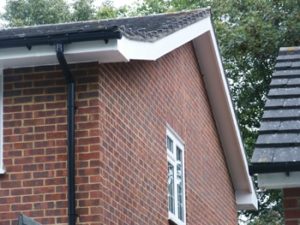
The term “roofline” refers to the edges or profiles of a roofing, that include not simply the roofing product itself however likewise important parts like seamless gutters, fascias, soffits, and bargeboards. Each of these aspects plays a substantial role in directing water away from the structure and avoiding a myriad of problems.
Table 1: Components of Roofline
| Element | Purpose |
|---|---|
| Seamless gutters | Collect and direct rainwater away from your home. |
| Fascias | Supply a finished look at the edge of the roofing and support the gutter system. |
| Soffits | Protect the underside of the roof overhang and ventilate the attic space. |
| Bargeboards | Cap completions of the roof rafters and supply defense against weather aspects. |
Common Roofline Issues
Similar to any other part of the home, the roofline is susceptible to wear and tear. Below are some typical roofline problems that house owners need to be aware of:
1. Harmed or Missing Gutters
Seamless gutters can end up being clogged up or harmed with time. If water overflows from the seamless gutters, it can cause considerable damage to the fascia, soffits, and even the walls of your home.
2. Fascia and Soffit Damage
Fascia And soffit and soffits can rot due to moisture direct exposure. Signs of damage consist of peeling paint, drooping, or noticeable holes.
3. Bargeboard Degradation
Bargeboards are often exposed to the aspects, which can trigger paint to peel or wood to rot. Damage in this area can affect the total look of the roofing system and allow water to go into the structure.
4. Ventilation Problems
Insufficient ventilation in the roofline can result in heat accumulation in the attic, causing roof products to degrade more quickly and potentially leading to mold growth.
Table 2: Signs of Roofline Issues
| Problem | Indications to Look For |
|---|---|
| Clogged Gutters | Water overflow, sagging gutters |
| Fascia/Soffit And Cladding Damage | Rot, peeling paint, mold |
| Bargeboard Problems | Noticeable rot, Fascia And Gutter Soffit Replacement (Fasciarepair59386.Bloggactivo.Com) cracking paint |
| Poor Ventilation | Ice dams, heat accumulation in the attic |
Products Used in Roofline Repairs
When it pertains to roofline repairs, the products used can vary extensively based upon the particular issue and the area’s climate. Comprehending these materials can assist homeowners make informed choices.
Common Materials:
-
PVC: A popular option for seamless gutters and soffits due to its resistance to rot and low maintenance requirements.
-
Wood: While aesthetically pleasing, wood fascia and soffits need regular maintenance to avoid rot and decay.
-
Aluminium: Often utilized for gutters, aluminum is light-weight and resistant to rust.
-
Composite Materials: These mix wood and synthetic products, providing durability without compromising appearance.
Table 3: Pros and Cons of Common Roofline Materials
| Material | Pros | Cons |
|---|---|---|
| PVC | Rot-resistant, low maintenance | Can be less aesthetically appealing |
| Wood | Visually pleasing, standard | Needs routine maintenance |
| Aluminium | Rust-resistant, lightweight | Can damage quickly |
| Composite | Resilient, low maintenance | Typically more expensive |
Maintenance Tips for a Healthy Roofline
Preserving your roofline is essential for preventing pricey repairs down the line. Here are some vital maintenance pointers:
-
Regular Inspections: Conduct visual assessments at least twice a year to identify any damage or wear.
-
Tidy Gutters: Ensure seamless gutters are clear of particles to enable appropriate water flow.
-
Look for Deterioration: Look for peeling paint or signs of rot in fascias and soffits.
-
Make Sure Proper Ventilation: Make sure vents are clear and working.
-
Professional Assistance: Consider hiring a professional to perform extensive examinations and repairs when essential.
Table 4: Maintenance Schedule
| Activity | Frequency |
|---|---|
| Visual examination | Two times a year |
| Gutter cleaning | Every 6 months |
| Professional inspection | Yearly |
| Repainting fascias and soffits | Every 3-5 years |
| Vent check | Every year |
Often Asked Questions (FAQ)
Q1: How do I understand if my roofline requires repairs?
A: Look for signs such as water discolorations, peeling paint, or sagging materials. In addition, check your rain gutters and look for any particles or obstructions.
Q2: Can I repair the roofline myself?
A: While small repairs can be DIY jobs, it’s a good idea to work with a professional for extensive or complicated repairs, especially if you’re not experienced.
Q3: What is the average cost for roofline repairs?
A: The expense differs based upon the degree of the damage and the products utilized. Small repairs can begin at a couple of hundred dollars, while major replacements could run into thousands.
Q4: How can I prevent roofline damage?
A: Regular maintenance, cleaning up seamless gutters, and ensuring appropriate ventilation are important steps in avoiding roofline damage.
Q5: How typically should I have my roofline examined?
A: Homeowners must carry out visual assessments a minimum of two times a year and think about a professional evaluation each year.
Roofline repairs are an important element of home maintenance that need to not be overlooked. Understanding the parts, typical problems, and maintenance methods can assist house owners protect their investment. By remaining vigilant and addressing problems as they occur, you can ensure your roofline remains in excellent condition for several years to come. Remember, if you’re ever in doubt, seeking advice from with a professional can conserve you money and time in the long run.
